China's Ascending Role in Global Healthcare: A New Era of Medical Innovation and Collaboration

In recent years, China has emerged as a significant force in the global healthcare landscape, moving beyond its traditional image to become a hub of medical innovation, a key contributor to global health initiatives, and an increasingly popular destination for international medical tourism. The nation's rapid advancements and distinctive approach are reshaping the future of worldwide health.
Groundbreaking Medical Breakthroughs
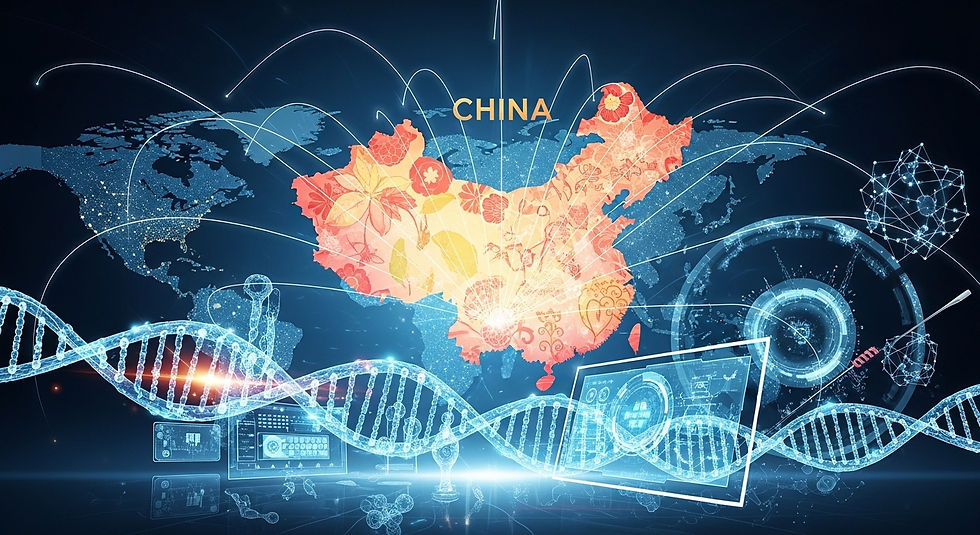
China is making headlines with cutting-edge medical research and clinical applications:
Diabetes Reversal with Stem Cells: Researchers in Shanghai have reported remarkable success in reversing both Type 1 and Type 2 diabetes using stem cell transplantation. One 59-year-old woman with Type 2 diabetes was able to produce her own insulin and no longer required external insulin after a stem cell transplant into her abdominal muscles, with the beneficial effects sustained for over a year. This breakthrough highlights the immense potential of bioengineering for therapeutic solutions.
Autoimmune Disease Treatment with CRISPR/CAR T-Cell Therapy: In another significant development, Chinese researchers have used CRISPR technology in CAR T-Cell therapy to treat severe autoimmune conditions. By genetically modifying donor T-cells to stop attacking the body's own cells and reintroducing them, participants experienced a near-complete remission of autoimmune conditions, with no reported side effects and persistent benefits, even after the bioengineered cells naturally disappeared.
These advancements underscore China's rapid progress in bioengineering and genetic medicine, signaling a potential "golden age of Therapeutics".
Traditional Chinese Medicine (TCM) Gains Global Recognition
Despite historical skepticism regarding its scientific validity, Traditional Chinese Medicine (TCM) is experiencing a re-evaluation and growing acceptance on the international stage:
Post-COVID-19 Efficacy: The COVID-19 pandemic significantly increased global attention toward TCM, as it was officially incorporated into China's treatment protocols and approved for use in several countries, including Singapore, Thailand, and Australia, for COVID-19 treatment regimens. Academic discourse shows a consistently positive representation of TCM in the context of COVID-19, emphasizing its perceived efficacy in pandemic response.
Holistic and Individualized Approach: International scholars recognize TCM as a comprehensive medical system with a time-honored history, rich theoretical depth, and extensive clinical application. It is praised for its emphasis on individualized diagnosis and treatment based on syndrome differentiation, providing personalized therapeutic regimens for a variety of diseases.
Global Influence: Specific TCM therapies, like cupping, have gained popularity in Western sports and entertainment circles. China's development of artemisinin, an effective anti-malarial drug derived from TCM, is another notable contribution to global health.
While some academic skepticism remains, particularly regarding standardization and scientific verification, there's a clear trend towards integrating TCM into modern healthcare, often through collaboration with Western medicine.
China's Expansive Global Health Engagement and Aid
China's influence extends far beyond its borders through its active participation in global health governance and extensive health aid initiatives:
Vaccine Diplomacy and Bridging the Immunization Gap: During the COVID-19 pandemic, China launched significant vaccine diplomacy efforts, largely through commercial sales rather than donations, to provide vaccines to the international community, especially developing countries. This initiative aimed to narrow the global immunization gap and promote the idea of vaccines as a global public good.
"Health Silk Road" Initiative: China is committed to building a "Health Silk Road" as part of its Belt and Road Initiative, fostering cooperation in public health systems among participating countries. This involves direct vaccine provision and joint production efforts in countries along these routes.
Long-standing Health Aid: Since 1963, China has consistently provided health aid, dispatching approximately 23,000 medical workers to 66 countries (primarily in Africa and Asia), constructing over a hundred health facilities, donating medical equipment and drugs, and training health personnel. These efforts often focus on addressing specific health challenges like malaria control through anti-malarial centers using artemisinin.
Multilateral Engagement: China has significantly increased its contributions and active participation in international bodies like the World Health Organization (WHO), UNAIDS, and the Global Fund.
Rising Dominance in MedTech and Medical Tourism
China's manufacturing prowess is now coupled with innovation, leading to a rising dominance in the global medical technology (MedTech) sector:
Explosive Export Growth: China's share of worldwide MedTech exports surged from less than 3% in 2000 to 12.4% by 2021, totaling nearly $40 billion. This growth is fueled by strong government support, ambitious domestic production targets ("Made in China 2025"), and significantly higher R&D investments by Chinese firms compared to OECD countries.
AI and Digital Health Leadership: China leads globally in digital health patents, accounting for 40% of filings between 2018 and 2022. The rapid deployment of AI-driven diagnostics and AI-managed hospital workflows further demonstrates its technological edge.
Growing Medical Tourism: More and more foreign patients are choosing China for medical treatment, with significant increases in patient numbers in cities like Shanghai and Shenzhen. Reasons include high efficiency, advanced medical technology, skilled doctors (many English-speaking), and lower costs compared to Western nations. Public hospitals, including top-tier "Class A tertiary hospitals," are establishing "International Medical Departments" to cater to this demand. Foreigners employed in China also participate in the social insurance system, which covers basic medical insurance.
The Road Ahead
While China has made immense strides, challenges remain, including integrating international insurance systems and addressing the efficacy concerns surrounding some of its domestically produced vaccines in the face of geopolitical competition. Despite these hurdles, China's impactful and evolving role in global healthcare is undeniable. Its unique blend of traditional wisdom, cutting-edge innovation, and robust international engagement positions it as a pivotal player in shaping the future of global health.