
Peking University Sixth Hospital
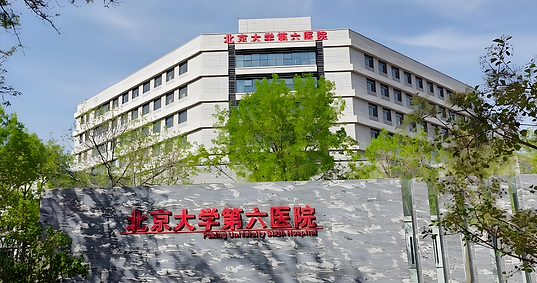
Established in 1942, Peking University Sixth Hospital (Institute of Mental Health) is China's top-ranked psychiatric hospital, leading the nation's psychiatric specialty rankings for 13 consecutive years. Its psychiatry/psychology program is ranked within the top 1% globally in the Essential Science Indicators (ESI) database. As a WHO Collaborating Centre for Research and Training in Mental Health and the National Clinical Research Center for Mental Disorders, it integrates clinical care, education, scientific research, and public health advocacy to drive advancements in mental healthcare across Asia.
Key Strengths
-
World-Class Specialties
-
National Key Discipline (Psychiatry & Mental Health)
-
20+ subspecialty clinics: Depression, Bipolar Disorder, Schizophrenia, Autism Spectrum Disorder, Alzheimer's Disease, Sleep Disorders
-
-
Renowned Clinical Expertise
-
Directed by Academician Lin Lu (CAS院士), with over 200 senior specialists
-
5 WHO technical advisors
-
Lead developer of China's clinical guidelines for mental disorders
-
-
Pioneering Research
-
Sole National Clinical Research Center for Mental Disorders
-
National Drug Clinical Trial Base (Psychotropic Medications)
-
200+ national research grants (2019-2024), publications in Lancet Psychiatry/JAMA Psychiatry
-
-
Evidence-Based Care Ecosystem
-
Advanced diagnostics: fMRI, rTMS, VR psychotherapy suites
-
Gold-standard therapies: CBT, DBT, family systemic therapy
-
Annual outpatient volume: 500,000+; national referral center for complex cases
-
Key Specialties & Departments
-
Psychiatry (精神科): This department specializes in the diagnosis and treatment of a wide array of mental disorders, including schizophrenia, depression, and anxiety disorders. It conducts in-depth research and offers advanced treatment methods, with its psychiatry program recognized globally among the top 1% in the Essential Science Indicators (ESI) database. The department also leads in psychopharmacology research, focusing on new drug development, pathological mechanisms, and clinical therapeutic studies for affective disorders, contributing to significant advancements in depression treatment and prevention.
-
Psychosomatic Medicine (心身医学科): Primarily focusing on adolescents, this department is highly proficient in treating eating disorders. It offers comprehensive care by integrating various therapeutic approaches such as nutritional support, psychotherapy, behavioral correction, and medication for conditions like eating disorders, depression, and neurosis.
-
Child Psychology (儿童心理科): Approved as a national key discipline in psychiatry and mental health by the Ministry of Education, this department possesses extensive experience in diagnosing and treating childhood mental and psychological disorders. This includes conditions like Attention-Deficit/Hyperactivity Disorder (ADHD), autism, and emotional disorders. Research in this area also covers post-traumatic stress disorder (PTSD) and childhood schizophrenia.
-
Geriatric Psychiatry (老年精神科): This specialty focuses on the diagnosis and treatment of mental disorders in the elderly population, such as dementia, depression, and anxiety related to aging. The department develops personalized treatment plans that consider the unique physiological and psychological characteristics of older patients.
-
Sleep Medicine (睡眠医学科): Dedicated to addressing sleep-related disorders, this department diagnoses and treats conditions including insomnia, sleep apnea, and narcolepsy. It employs various professional diagnostic and treatment methods, such as polysomnography and cognitive-behavioral therapy for insomnia. Research in sleep medicine also explores the processing of information during sleep and its brain functional mechanisms, pioneering new paradigms for regulating memory encoding, consolidation, and emotional processing during sleep.
-
Clinical Psychology (临床心理科): This department provides psychological assessment and counseling services for patients dealing with a broad spectrum of mental health challenges. It utilizes evidence-based psychological therapies to help patients enhance their mental well-being and effectively manage psychological stress. This includes providing evidence-based mental health services and psychoeducation to promote mental health.
-
Psychiatric Rehabilitation (精神康复科): This department supports patients in their recovery journey from mental illnesses. It offers diverse rehabilitation programs, including occupational therapy, social skills training, and art therapy, all aimed at improving patients' social functioning and overall quality of life.
-
Drug Dependence (药物依赖科): Specializing in the treatment of drug addiction and substance-related disorders, this department provides comprehensive care. Its services encompass detoxification, rehabilitation, and relapse prevention, with a strong focus on helping patients overcome their addictions. The department is involved in research on interventions for pathological memory, particularly in the context of addiction, exploring new approaches for preventing relapse.
-
Neuropsychiatry and Clinical Psychology Center (神经精神医学与临床心理中心): This center integrates expertise from both neurology and psychiatry to diagnose and treat complex neuropsychiatric disorders. It conducts research into the intricate relationship between the nervous system and mental health, offering integrated medical and psychological treatment approaches.
-
Emergency Medicine (急诊科): The Emergency Medicine department is dedicated to providing rapid and effective emergency care for patients experiencing acute mental disorders, especially those at risk of self-harm or suicide. Its primary goal is to mitigate serious consequences during mental health crises.
-
Medical Checkup Center (体检中心): While the sources indicate the presence of a Medical Checkup Center, specific details regarding its services are not provided.
Services for International Patients
-
International Medical Services:
-
PKU6H does not have a dedicated international medical department.
-
However, it provides limited English-language services through its Special Needs Clinic (特需门诊).
-
While some departments, like psychiatry and psychology, may have English-speaking doctors, not all staff are fluent.
-
For emergency care, there is no dedicated foreigner emergency channel; standard emergency room services apply.
-
The hospital accepts international insurance from providers such as Bupa and Allianz, but direct billing is not guaranteed, so it's advisable to confirm with your insurance provider beforehand.
-
-
Appointment Methods for Foreigners:
-
WeChat Appointment (Primary Method):
-
Steps: Search for “北京大学第六医院服务号” on WeChat and follow the official account. Then, click “就医指南” (Medical Guide) → “预约挂号” (Appointment Registration). Select a department, such as "特需门诊" (Special Needs Clinic) for priority service. Register using your passport details, which may require your name, passport number, and potentially a visa copy. Payment is typically made via WeChat Pay/Alipay; international cards might not work, so a Chinese bank card or assistance from a local helper may be needed.
-
Release Time: Appointment slots usually open three days in advance at 7:00 AM (e.g., Monday 7:00 AM for Thursday slots).
-
-
Telephone/Online Booking:
-
You can call 010-114 or visit www.114yygh.com. Note that these platforms are in Chinese only, and passport registration may require on-site verification.
-
Alternatively, search for “北京大学第六医院” in Alipay’s Life Services and follow similar steps to the WeChat process.
-
-
On-Site Registration:
-
Required documents include your original passport, a visa copy, and translated medical records (if available).
-
Registration can be done at the Special Needs Clinic (特需门诊) on the 1st Floor of the Haidian Campus.
-
-
-
Required Documents for Foreign Patients:
-
You will need your original passport and a visa copy.
-
It is recommended to bring translated medical history (in English or Chinese).
-
If you plan to claim reimbursement, bring your insurance card.
-
-
Fees & Notes:
-
Costs in the Special Needs Clinic are generally higher (e.g., 300–800 RMB) compared to standard visits (50–100 RMB).
-
There is no official English guide, so you may encounter a language barrier. It is advisable to bring a translator or use translation applications.
-
Critical Tip: For complex cases, it is strongly recommended to contact the hospital’s International Office in advance at 010-82801936.
-
-
Alternatives for Urgent Needs:
-
For urgent medical needs, you might consider Beijing United Family Hospital, which specializes in expat care, or PUMCH International Medical Services as alternative options.
-

Disclaimer:
The information on this page about Peking University Sixth Hospital is sourced from the hospital's official website and other authoritative sources. We strive to keep it accurate and current, but please note that details may change. Always refer to the official hospital website or contact the hospital directly for the latest information on services, schedules, and facilities.
Note: This is provided for informational purposes only and should not be taken as medical advice. For diagnosis or treatment, consult a qualified healthcare professional.