

Tianjin Eye Hospital: Specialist Eye Care in China
Tianjin Eye Hospital (天津市眼科医院) is a public Grade III, Class A (3A) specialist eye hospital in Tianjin, China. Founded in 1924, it provides ophthalmology services including strabismus and paediatric eye care, cataract surgery, refractive surgery, retinal care and glaucoma services. Its main hospital is at No. 4 Gansu Road in Heping District.
Hospital at a Glance
-
Chinese name: 天津市眼科医院
-
Hospital type: Public Grade III, Class A (3A) specialist eye hospital
-
Founded: 1924
-
Location: No. 4 Gansu Road, Heping District, Tianjin, China
-
Main clinical areas: Strabismus and paediatric ophthalmology, cataract, refractive surgery, retina, glaucoma, cornea and optometry
-
University links: Affiliated with Nankai University; an ophthalmology clinical college of Tianjin Medical University
-
Specialist enquiry: +86 22 2731 3334; general hospital telephone: +86 22 2731 3336
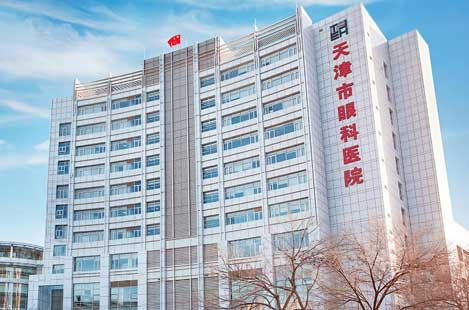
This profile introduces Tianjin Eye Hospital’s main eye-care departments and the practical steps for an overseas visit. Whether your enquiry concerns a child’s squint, cataract surgery, laser vision correction or an existing retinal condition, a short history and previous eye-test results help identify the relevant clinic. The sections below cover booking, passport registration, language arrangements, costs and follow-up.
Key Specialties & Departments
Strabismus and Paediatric Ophthalmology — 斜视与小儿眼科
Strabismus, often called a squint, and children’s eye care are longstanding areas of focus at Tianjin Eye Hospital. Its strabismus specialty dates to 1957, and the hospital has a dedicated paediatric ophthalmology service and amblyopia training room. For a child’s consultation, previous eye-alignment assessments, spectacle prescriptions, patching history and operation records provide useful context. Adult strabismus enquiries can also be directed to this specialty.
Cataract Surgery and Lens Assessment — 白内障中心
The Cataract Centre describes care for routine and complex cataracts, including congenital and traumatic cataracts and cataracts associated with other eye conditions. Its published services include small-incision surgery and intraocular lens implantation, with toric and multifocal lens options among those listed. The centre describes both day-case and inpatient arrangements. An overseas enquiry can cover the assessment schedule, proposed lens, cost per eye and postoperative review appointments.
Refractive Surgery and Laser Vision Correction — 屈光手术中心
Established in 1994, the Refractive Surgery Centre lists SMILE, femtosecond LASIK (FS-LASIK), Trans-PRK and implantable collamer lens (ICL) procedures. It also provides corneal cross-linking and individualised laser treatments. The centre describes a dedicated preoperative screening process. When enquiring, include your current prescription, contact-lens use, previous eye surgery and preferred dates, then request the examination sequence and preparation instructions.
Retina and Vitreous Services — 玻璃体视网膜病科
The hospital has three vitreoretinal departments. These services concern the retina and vitreous at the back of the eye, with hospital materials also covering diabetic retinal disease and macular conditions. Previous optical coherence tomography (OCT) scans, retinal photographs, injection records and operation notes help organise a specialist enquiry, particularly when you are seeking a review after treatment elsewhere.
Glaucoma — 青光眼科
Dedicated glaucoma departments provide a specialist route for enquiries about an existing diagnosis or ongoing eye-pressure management. For an appointment, gather earlier eye-pressure readings, visual-field tests, optic-nerve imaging and details of eye drops or previous operations. Keeping the dates and original results together helps the receiving team review the course of your care.
Cornea and Ocular Surface Care — 角膜病科
The hospital lists a corneal disease department, and its professional education programme includes ocular surface and dry-eye care. For a corneal enquiry, useful records may include previous diagnoses, corneal scans, contact-lens history and details of any injury or operation. State whether the visit concerns an existing condition, persistent symptoms or a review before another eye procedure.
Orbital, Eyelid and Tear-Duct Services — 眼眶病眼整形科
The Orbital and Oculoplastic Department describes medical and surgical care for orbital disease, eyelid and reconstructive concerns, and tear-duct conditions. Its work also includes orbital tumours and ocular surface reconstruction. For an enquiry after previous treatment, include operation records, relevant imaging and any pathology report, together with the question you would like the specialist to address.
Optometry, Myopia Management and Low-Vision Rehabilitation — 视光与低视力康复
The hospital’s Optometry Centre describes services for childhood myopia management, binocular-vision problems, visual training and low-vision rehabilitation. These appointments can involve different tests and follow-up arrangements from a surgical consultation. Include current and previous spectacle prescriptions and any contact-lens or visual-training records, and obtain the exact service location when booking.
Services for International Patients
Appointments & Location
-
Official booking channels: The hospital lists its “天津市眼科医院” WeChat account, the Jin Yibao app (津医保), the Keyitai Qyi app (科瑞泰Q医), telephone booking and on-site appointment services.
-
Main hospital: No. 4 Gansu Road, Heping District, Tianjin 300020, China. Chinese address: 天津市和平区甘肃路4号. Official website: https://www.oio.cn/.
-
Hospital telephone: +86 22 2731 3336. The booking page lists telephone appointments from 08:00 to 16:30 and staffed outpatient enquiries on working days from 08:00 to 16:00, China time.
-
Specialist contacts: Expert clinic enquiries: +86 22 2731 3334. Cataract enquiries: +86 22 2730 0537. Laser vision correction: +86 22 2318 7232 or +86 22 2730 5083.
-
Passport registration: Contact the outpatient service with your nationality, passport details, age and reason for the visit. Ask which booking route supports your identity document and how to complete first-time registration. Keep your name consistent with your passport and existing medical records.
-
Arrival details: Obtain the department, building, clinic time and check-in instructions with the appointment confirmation. For optometry or visual training, ask for the specific centre address. Keep the Chinese hospital name and address available for your driver.
Documents to Prepare
-
Your original passport, appointment confirmation and any registration documents requested by the outpatient service. For a child, ask which identity and accompanying-parent documents are required.
-
A short history stating which eye is affected, when the problem began, previous diagnoses and the purpose of the consultation.
-
Previous eye-examination reports, spectacle prescriptions and relevant scans or photographs. For retinal or glaucoma enquiries, include OCT images, visual-field results and eye-pressure records when available.
-
Records of previous eye operations, laser treatment or injections. After cataract surgery elsewhere, include the lens implant card or documented lens model if available.
-
A current medication and eye-drop list, known allergies, relevant general medical history and insurance details. Ask how records and translations should be submitted before the appointment.
Consultation Language & Medical Reports
-
Include your preferred consultation language in the initial enquiry. Ask about the booked clinician’s language and arrange interpretation for examinations, consent discussions and admission paperwork as needed.
-
Request details of the records available after the visit, including the consultation summary, examination results, scan images, prescriptions and any operation or discharge summary. Ask about English-language documents or translation arrangements.
-
Agree how to collect outstanding results, obtain copies of eye images and contact the department for a further appointment. Keep both original records and translated copies for your doctor at home.
Fees, Payment & Insurance
-
Request an itemised estimate for the consultation and proposed eye examinations. For a procedure, ask whether the quote is per eye or for both eyes.
-
For cataract or refractive surgery, ask which lens or procedure is included and whether preoperative tests, anaesthesia, consumables, medication, admission and postoperative checks are charged separately.
-
Ask the hospital about deposits and accepted payment methods, including overseas-issued bank cards. Request separate prices for any translation, interpretation, accompaniment or other coordination services.
-
If using international insurance, check your policy’s overseas-care benefits, pre-authorisation requirements, settlement arrangements and reimbursement documents with the insurer and hospital before booking.
Visit Length & Follow-up
-
For a surgical enquiry, request the expected sequence of consultation, investigations, procedure booking and postoperative reviews. Ask how many in-person visits are anticipated and when accommodation dates can be finalised.
-
Obtain the department’s preparation instructions, including any requirements concerning contact lenses, eye drops, regular medication or anaesthesia. For a child’s visit, ask about examination arrangements and accompanying-parent requirements.
-
Before departure, collect available records, prescriptions and the written follow-up schedule. Discuss return travel and any restrictions with the treating eye team, particularly after retinal surgery.
-
Arrange how further reviews and results will be shared with your eye specialist at home, including the clinic contact route if questions arise after the visit.
Hospital Background and Ophthalmology Expertise
Tianjin Eye Hospital traces its origins to a blindness-prevention association founded in 1924. It developed into a public specialist eye hospital and received Grade III, Class A status in 1996. Its work combines clinical ophthalmology, teaching, research, community eye health and blindness prevention.
The hospital is affiliated with Nankai University and serves as an ophthalmology clinical college of Tianjin Medical University. It houses the Tianjin Eye Research Institute, Tianjin Eye Bank and local blindness-prevention and youth myopia-prevention bodies. Its ophthalmology service is part of China’s National Clinical Key Specialty development programme.
Two longstanding clinical areas are strabismus and refractive surgery. The hospital’s strabismus specialty dates to 1957, while its Refractive Surgery Centre was established in 1994. Today, its department directory brings together these services with cataract, retinal, glaucoma, corneal and other eye-care specialties.
Planning an International Visit to Tianjin Eye Hospital
For an overseas enquiry, begin with your age, main eye concern or existing diagnosis, previous treatment and the question you want to discuss. Identify whether you are seeking an initial consultation, a review after treatment elsewhere or an assessment for a planned procedure.
The hospital publishes general outpatient booking channels and specialty enquiry numbers. Use these contacts to establish the receiving clinic, foreign-passport registration steps and consultation language. A useful appointment confirmation also sets out the service location, records to bring and expected sequence of visits.
For cataract or refractive surgery, include time for the assessment and postoperative reviews when planning your stay. For an ongoing condition, agree how records and follow-up information will be shared with your eye specialist at home.

How MedBridgeNZ Can Help
MedBridgeNZ provides medical concierge and logistics coordination for international patients planning an eye-care visit in Tianjin. We can assist with medical record translation, hospital and specialist communication, appointment coordination, interpretation, visit accompaniment and relevant travel arrangements.
Share your main eye concern, previous treatment, the service you are enquiring about and preferred dates. We can help organise the enquiry and clarify the department, document requirements, language arrangements and practical steps for your visit to Tianjin Eye Hospital.
Frequently Asked Questions
Is Tianjin Eye Hospital a public hospital?
Yes. Tianjin Eye Hospital (天津市眼科医院) is a public Grade III, Class A (3A) specialist eye hospital in Tianjin, China. It traces its origins to 1924.
Where is Tianjin Eye Hospital?
The main hospital is at No. 4 Gansu Road, Heping District, Tianjin 300020, China. The Chinese address is 天津市和平区甘肃路4号. For optometry or visual training, obtain the specific centre address with your appointment details.
How can international patients enquire about an appointment?
Call the general hospital number, +86 22 2731 3336, or the expert clinic enquiry line, +86 22 2731 3334. Explain your eye-care enquiry and ask about the relevant clinic, registration with a foreign passport and language arrangements. The hospital also lists official WeChat, app, telephone and on-site booking channels.
Does Tianjin Eye Hospital provide cataract surgery and different lens options?
Yes. The Cataract Centre lists small-incision cataract surgery and intraocular lens implantation, including toric and multifocal lens options. For an enquiry, request the assessment process, proposed lens model, itemised cost per eye and postoperative review schedule.
Does the hospital offer SMILE, LASIK or ICL procedures?
Yes. The Refractive Surgery Centre lists SMILE, femtosecond LASIK (FS-LASIK), Trans-PRK and ICL procedures, alongside other corneal treatments. Begin with an enquiry about preoperative screening, the available appointment sequence and preparation instructions.
Does the hospital have a children’s eye clinic?
Yes. It has a dedicated Strabismus and Paediatric Ophthalmology service and an amblyopia training room. For a child’s visit, prepare previous prescriptions, eye-test results and any patching or surgical history, then ask about the appropriate clinic and accompanying-parent documents.
Can I arrange an English-speaking consultation and English reports?
State your language needs when enquiring about the specific appointment. Ask which language the booked clinician uses, how interpretation can be arranged and which records can be provided in English or translated. Include examinations, consent discussions and follow-up documents in the language arrangements.
How much does treatment cost, and can I use international insurance?
Request an itemised estimate for the planned assessment or procedure, specifying one or both eyes. Ask about lenses, investigations, anaesthesia, medication and follow-up charges. If using insurance, send your policy details and check pre-authorisation, payment arrangements and reimbursement requirements with the hospital and insurer.
Disclaimer:
Information on this page is based on Tianjin Eye Hospital’s official hospital introduction, department descriptions, appointment guidance and contact information, together with the Tianjin Municipal Government’s hospital listing. Services, schedules, fees, language support and payment or insurance arrangements may change. Confirm current details with the receiving hospital department.
This page provides general information. Hospital clinicians assess suitability and make decisions about investigations, diagnosis, treatment and follow-up. MedBridgeNZ provides medical concierge and logistics coordination and does not provide medical advice, diagnosis or treatment. Appointment availability, hospital acceptance and treatment outcomes are not guaranteed.