

Zhejiang University Children’s Hospital: Hangzhou
Children’s Hospital, Zhejiang University School of Medicine, also known as Zhejiang University Children’s Hospital or Zhejiang Children’s Hospital, is a public Grade 3A paediatric teaching hospital founded in 1951. Its services include specialist consultations, children’s surgery and hospital care. The International Medicine Department at Binjiang campus provides an appointment route for overseas families.
Hospital at a Glance
-
Chinese name: 浙江大学医学院附属儿童医院(浙大儿院)
-
Other Chinese names: 浙江省儿童医院、浙江省儿童保健院
-
University affiliation: Zhejiang University School of Medicine
-
Hospital type: Public Grade III, Class A (3A) comprehensive children’s teaching hospital
-
Founded: 1951
-
Campuses: Binjiang and Hubin in Hangzhou; Moganshan in Deqing, Huzhou, Zhejiang Province, China
-
Selected clinical areas: Neonatology, respiratory medicine, gastroenterology, endocrinology, congenital heart disease, haematology and oncology, neurology, genetics and child development
-
International care: International Medicine Department at Binjiang campus

The hospital brings together paediatric medicine, surgery, child health, university teaching and clinical research. For an overseas appointment, begin with your child’s age, main health concern, previous assessments and preferred consultation language. These details help the receiving service identify the relevant clinic and organise the visit. Families can enquire about a first specialist assessment or review of an existing diagnosis.
Key Specialties & Departments
Neonatology and Neonatal Surgery — 新生儿科与新生儿外科
Neonatal services cover premature infants and newborn respiratory, neurological, infectious and nutritional conditions. The hospital has a neonatal intensive care unit and a separate neonatal surgery department. Surgical services include congenital digestive tract abnormalities, abdominal wall defects and biliary atresia, with multidisciplinary care and follow-up.
Respiratory Medicine and Asthma — 呼吸内科
Respiratory medicine is a national key clinical specialty. Its services include childhood asthma, respiratory infections, complex lung conditions, bronchoscopy and respiratory sleep assessment. Specialist clinics are supported by lung function testing, an inhalation treatment centre and inpatient care.
Gastroenterology, Endoscopy and Nutrition — 消化内科、内镜与营养
The gastroenterology department covers recurrent abdominal pain, reflux, constipation, inflammatory bowel disease, food-related gastrointestinal disorders and liver or pancreatic conditions. Services include paediatric gastroscopy and colonoscopy, gastrointestinal motility testing and nutritional support. The department also describes multidisciplinary care for childhood inflammatory bowel disease.
Endocrinology, Growth and Diabetes — 内分泌科
Endocrinology services include growth and puberty assessment, diabetes, thyroid conditions, obesity and disorders affecting the pituitary, adrenal glands or bone metabolism. The department has dedicated clinics for these areas and multidisciplinary services for selected complex endocrine and metabolic conditions.
Congenital Heart Disease and Cardiac Surgery — 心血管内科与心脏外科
The Heart Center brings together cardiology, cardiac surgery, cardiac intensive care, ultrasound and extracorporeal support. The surgical department treats congenital heart conditions in newborns, infants and older children, including septal defects and complex heart malformations. Its services include conventional and selected minimally invasive approaches.
Haematology and Oncology — 血液肿瘤内科
The haematology and oncology department provides care for childhood leukaemia, lymphoma, anaemia, platelet and bleeding disorders, and other blood conditions. Its facilities include specialist wards, laboratories and a haematopoietic stem cell transplantation service. Separate oncology surgery services form part of the wider hospital.
Neurology and Epilepsy — 神经内科
Paediatric neurology services cover epilepsy, febrile seizures, neuromuscular disorders, neuroimmune conditions and complex neurological presentations. The department provides video EEG and prolonged EEG monitoring, with a dedicated team for difficult-to-control epilepsy. Neurosurgery is a separate hospital department.
Genetics, Metabolism and Rare Diseases — 遗传与代谢科
The genetics and metabolism department combines newborn screening, genetic assessment, laboratory testing and follow-up. It has clinics for inherited metabolic conditions, congenital hypothyroidism and genetic counselling, alongside a birth defects and rare diseases multidisciplinary clinic. Families can bring previous genetic and metabolic test results for review.
Child Development and Behaviour — 发育行为科
Developmental and behavioural services include assessment of autism spectrum disorder, attention deficit hyperactivity disorder, speech or developmental delay, learning difficulties and feeding concerns. The department also offers parent guidance and family intervention programmes. For a multilingual child, include home and school languages when enquiring about an assessment.
Other departments include nephrology, urology, orthopaedics, general surgery, rehabilitation, ophthalmology, ENT and dentistry.
Services for International Patients
International Medical Services
-
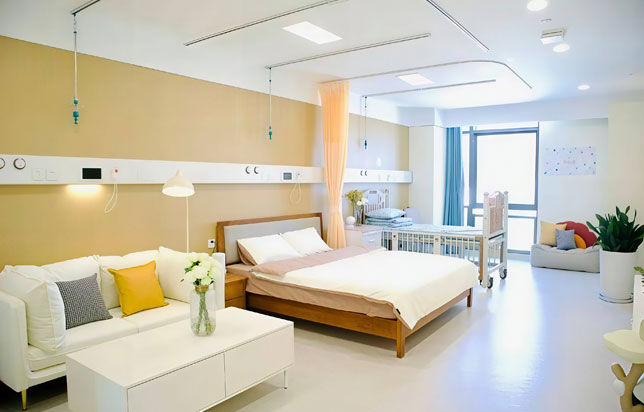
International Medicine Department: Binjiang campus has international outpatient and inpatient services connected with the hospital’s specialist teams. Enquiries can start with the international appointment line.
-
Language support: The department publishes language assistance for families who need help communicating. State your preferred language when booking and ask about interpretation for consultations, tests and admission. For less commonly requested languages, its guidance asks for at least 24 hours’ advance notice.
-
Insurance enquiries: The English patient guide lists Ping An, MSH China and Medilink-Global for direct billing. Send your child’s insurer, policy and planned service details to the department and insurer to arrange benefit checks, pre-authorisation and any guarantee of payment.
Appointments & Location
-
International appointment line: +86 571 8667 0317. The English patient guide lists telephone booking from 14:00 to 16:00, Monday to Friday, China time (UTC+8).
-
Online booking: The hospital lists its English website and official WeChat and Alipay mini programmes as booking channels. For a child using a foreign passport, ask the international team how to complete the appointment and first registration.
-
Binjiang campus — 滨江院区: No. 3333 Binsheng Road, Binjiang District, Hangzhou, Zhejiang, China. This is the campus listed in the hospital’s international appointment guidance. Obtain the building, floor and check-in instructions with your appointment confirmation.
-
Hubin campus — 湖滨院区: No. 57 Zhugan Lane, Gongshu District, Hangzhou, Zhejiang, China.
-
Moganshan campus — 莫干山院区: No. 66 Eryuan Road, Deqing County, Huzhou, Zhejiang, China. This campus is outside Hangzhou.
-
Hospital switchboard: +86 571 8706 1007.
-
Arrival planning: Keep the Chinese campus name and appointment details on your phone. Arrange accommodation and transport around the campus where your child’s appointments are booked.
Documents to Prepare
-
Your child’s original passport, appointment confirmation and the accompanying parent or guardian’s identification. Ask which relationship or guardianship documents are required for registration and consent.
-
A short medical history, relevant clinic letters, discharge summaries, laboratory and pathology reports, and imaging with DICOM files where available.
-
A current medication list with doses, allergy details, vaccination records and relevant birth or neonatal history.
-
For growth or developmental enquiries, previous height and weight records, developmental assessments and relevant school reports. Include the child’s main spoken languages.
-
Your child’s insurance card, policy information and pre-authorisation paperwork. Ask the receiving department which records need translation.
Fees & Payment
-
Request an estimate for the specific ordinary outpatient clinic, international clinic or specialist service you are booking. Ask for consultation, tests, imaging, medicines and any interpretation charges to be itemised.
-
For surgery or admission, request separate figures for the procedure, anaesthesia, pathology, accommodation, nursing and follow-up. Clarify the payment currency, accepted cards or payment apps, and any deposit.
-
For insurance, arrange confirmation of direct billing, exclusions, deductibles and reimbursement documents for the planned visit. Keep hospital charges and separately arranged concierge or interpreting fees clearly identified.
Reports & Follow-up
-
Request the consultation summary, test results and discharge documents you will need at home. Ask which can be issued in English, how translations are arranged and how to obtain imaging files.
-
Before leaving, record how outstanding results will be delivered, the follow-up schedule and the department’s contact route. Ask for a written clinical summary and medication list to share with your child’s usual doctor.
Hospital Background and Zhejiang Campuses
Founded in 1951, the hospital developed from the Zhejiang Provincial Maternal and Child Health Hospital. It is affiliated with Zhejiang University School of Medicine and combines children’s healthcare with medical education and research. It hosts a National Clinical Research Center for children’s and adolescents’ health and diseases and a National Children’s Regional Medical Center.
The hospital operates three campuses. Binjiang and Hubin are in Hangzhou, while Moganshan is in Deqing County, Huzhou. The Binjiang expansion includes the Sir Run Run Shaw International Children’s Medical Center, which opened in 2022. Use the full hospital and campus name when arranging a visit.
International Patient Services Overview
Overseas families can use the hospital’s published International Medicine Department appointment route to enquire about a paediatric specialist visit at Binjiang campus. Start with your child’s age, the reason for the consultation, recent records and preferred dates.
Before arranging flights, settle the receiving clinic, passport registration, consultation language, expected costs and time needed for investigations. For a developmental assessment, discuss the child’s language background and the language used for testing. For a planned admission, ask about parent accommodation, visiting arrangements and documents needed for consent.
How MedBridgeNZ Can Help
MedBridgeNZ provides medical concierge and logistics coordination for families planning a hospital visit in China. We can assist with medical record translation, hospital and specialist communication, appointment coordination, interpretation, visit accompaniment and relevant travel arrangements.
Share your child’s age, main health concern, previous reports and preferred travel dates. We can help organise the enquiry and clarify the campus, documents, language arrangements, fees and practical steps for your visit to Zhejiang University Children’s Hospital.
Frequently Asked Questions
Is Zhejiang University Children’s Hospital a public hospital?
Yes. Children’s Hospital, Zhejiang University School of Medicine is a public Grade III, Class A (3A) comprehensive children’s teaching hospital. Its Chinese name is 浙江大学医学院附属儿童医院. It is also known as Zhejiang Children’s Hospital and Zhejiang Provincial Children’s Hospital.
Which campus should an overseas family contact?
The hospital’s international appointment guide directs families to the International Medicine Department at Binjiang campus, No. 3333 Binsheng Road, Hangzhou. Call +86 571 8667 0317 to discuss the relevant clinic and obtain arrival instructions. Hubin is also in Hangzhou; Moganshan is in Deqing, Huzhou.
Can a child with a foreign passport register?
Yes. The hospital’s English patient guidance describes registration for foreign patients using a passport or other identity document. Bring your child’s original passport and appointment confirmation. Ask about the accompanying adult’s identification and any relationship or guardianship documents needed.
Can we arrange an English-language visit and English reports?
The International Medicine Department publishes language assistance. Request an English-language consultation or interpretation when booking. Ask separately about the language of consultation notes, test reports and discharge documents, and how report translation is arranged.
Does the hospital assess growth, diabetes or developmental concerns?
Yes. Endocrinology has services for growth, puberty, diabetes and other hormone or metabolic conditions. Developmental and behavioural paediatrics covers concerns such as autism, attention difficulties, speech delay and learning difficulties. Include the child’s age, previous assessments and home and school languages in the enquiry.
Can we use international health insurance?
The English patient guide lists Ping An, MSH China and Medilink-Global for direct billing in the International Medicine Department. Ask the department and insurer to check your child’s policy, the planned service, pre-authorisation, deductibles and required payment documents.
How much does a specialist visit or hospital stay cost?
Request a quote for your chosen clinic and planned services. For an admission or procedure, ask for consultation, investigations, anaesthesia, pathology, medicines, room, nursing and follow-up charges to be listed separately. Include language support and insurance arrangements in the enquiry.
What should we prepare for a paediatric appointment in Hangzhou?
Prepare your child’s passport, a concise medical history, recent reports, imaging, medication and allergy details, and insurance information. Bring growth charts, developmental or school assessments where relevant. Ask for the department’s preferred document language and any guardian or consent paperwork before travelling.
Disclaimer:
Information on this page is based on the official Chinese and English websites of Children’s Hospital, Zhejiang University School of Medicine. Services, locations, booking hours, fees, language assistance and insurance arrangements may change; confirm current details with the receiving department.
This page provides general hospital and visit-planning information. Hospital clinicians assess suitability and make decisions about investigations, diagnosis, treatment and follow-up. MedBridgeNZ provides medical concierge and logistics coordination and does not provide medical advice, diagnosis or treatment. Appointment availability, hospital acceptance and treatment outcomes are not guaranteed. For a medical emergency in China, call 120 or seek urgent local care.