

Hospital of Chengdu University of TCM: Chengdu, Sichuan
Hospital of Chengdu University of Traditional Chinese Medicine (TCM Hospital of Sichuan Province) is a public Grade 3A teaching hospital in Chengdu, China. Known in Chinese as 成都中医药大学附属医院(四川省中医医院), it was founded in 1957. Its services bring together traditional Chinese medicine, conventional medical and surgical care, and rehabilitation, with departments including acupuncture, ophthalmology, endocrinology, gynaecology and orthopaedics.
Hospital at a Glance
-
Chinese name: 成都中医药大学附属医院(四川省中医医院)
-
University affiliation: Chengdu University of Traditional Chinese Medicine
-
Hospital type: Public Grade III, Class A (3A) traditional Chinese medicine teaching hospital
-
Founded: 1957
-
Location: Jinniu District, Chengdu, Sichuan Province, China
-
Selected clinical areas: Acupuncture and moxibustion, tuina and rehabilitation, ophthalmology, endocrinology, gynaecology, orthopaedics, nephrology and digestive care
-
International wards: Orthopaedics and gynaecology
-
Official website: https://www.sctcm120.cn/
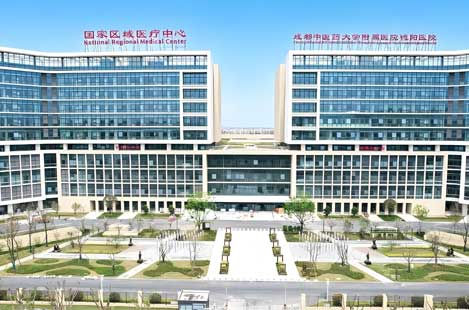
This Chengdu hospital combines TCM specialist clinics with diagnostic testing, inpatient care, surgery and rehabilitation. For an overseas visit, identify the department that matches your main concern, then arrange passport registration, consultation language and the expected appointment schedule before planning your stay.
Key Specialties & Departments
Acupuncture and Moxibustion — 针灸科
The acupuncture department provides outpatient and inpatient services and has a rehabilitation centre. Its published service areas include facial palsy, rehabilitation after stroke, neck and lower-back conditions, and pain-related consultations. The department combines acupuncture and moxibustion with rehabilitation services such as exercise, occupational, speech and swallowing therapy.
Tuina and Rehabilitation — 推拿科与康复科
Tuina is a form of therapeutic manual treatment used in traditional Chinese medicine. The hospital’s tuina department focuses on spinal conditions and injuries involving muscles, tendons and joints, with services for neck and lower-back problems. A separate rehabilitation department lists sports, neurological and orthopaedic rehabilitation, combining TCM approaches with exercise-based rehabilitation.
Ophthalmology and Eye Care — 眼科
Ophthalmology is one of the hospital’s established TCM specialties. The department combines eye examinations and conventional ophthalmic services with TCM clinical practice. Its service areas include retinal and other fundus diseases, glaucoma, cataract, ocular surface and tear-duct conditions, myopia and optometry, with both outpatient and inpatient care.
Endocrinology and Diabetes — 内分泌科/糖尿病中心
The endocrinology department and diabetes centre provide specialist care for diabetes and its complications, thyroid conditions, osteoporosis, lipid disorders, obesity, gout, and pituitary and adrenal conditions. The department’s work includes integrated Chinese and Western medicine, diabetes-related research and specialist outpatient and inpatient services.
Gynaecology and Reproductive Health — 妇科与生殖健康
TCM gynaecology is one of the hospital’s national key academic disciplines. Its clinical and research areas include menstrual disorders, pelvic inflammatory conditions and fertility-related concerns. The wider department directory also lists obstetrics and reproductive medicine. A separate gynaecology international ward combines TCM and conventional gynaecological services with inpatient accommodation.
Orthopaedics, Joint Surgery and Sports Injuries — 骨科、关节外科与运动损伤
Orthopaedic services cover trauma, spinal conditions and joint disease, including nonsurgical care, surgery and rehabilitation. The orthopaedics international ward describes a focus on sports injuries and joint surgery. Its published services include arthroscopy for joint injuries and shoulder, hip and knee replacement procedures.
Nephrology and Kidney Care — 肾病科
The hospital’s nephrology services include consultations and inpatient care for chronic kidney disease, glomerular disorders and diabetes-related kidney disease. Nephrology Department I also has a blood purification centre providing haemodialysis services. Its clinical work combines conventional kidney care with TCM practice.
Gastroenterology, Endoscopy and Anorectal Care — 消化内科、内镜与肛肠科
Gastroenterology provides specialist care for digestive conditions, including chronic gastritis, functional gastrointestinal disorders and ulcerative colitis. Its endoscopy centre lists gastroscopy, colonoscopy and selected therapeutic procedures. A separate anorectal department provides outpatient and surgical care for conditions such as haemorrhoids, anal fistula, perianal abscess and constipation.
Services for International Patients
International Medical Services
-
Specialty international wards: The hospital’s official department directory lists international wards for orthopaedics (国际病房〔骨科〕) and gynaecology (国际病房〔妇科〕). Direct enquiries about these wards to the relevant specialty and request details of the consultation route, admission process and room options.
-
Consultation language: Include your preferred language in the appointment enquiry. Arrange interpretation for the consultation, investigations and any admission paperwork, and ask which documents the department can provide in English.
-
Before arrival: Prepare a short summary of your main concern, previous diagnosis, relevant treatment and intended travel dates. Ask the receiving department which channel to use for sharing medical records and arranging your appointment.
Appointments & Location
-
Booking: Use the hospital’s official WeChat account and outpatient appointment channels linked from its website. Its January 2026 registration guidance publishes a 14-day appointment window. For a specialty international ward, contact the relevant department about its booking process.
-
Passport registration: The hospital’s patient guidance states that foreign nationals can take their passport to a staffed registration/payment window to complete registration. Use your passport name consistently on the appointment and hospital record.
-
Chengdu hospital address: No. 39 Shierqiao Road, Jinniu District, Chengdu, Sichuan Province, China, 610075. Chinese address: 成都市金牛区十二桥路39号. Keep the department, building and check-in details with your appointment confirmation.
-
Registration enquiries: +86 28 8778 3481. Published telephone enquiry hours: weekdays, 08:00–12:00 and 14:00–17:30, China time (UTC+8).
-
Metro access: The hospital’s transport guide lists Chengdu Metro Lines 2, 4 and 5 to 中医大省医院 station, Exit C. Use the hospital’s Chinese name when arranging a taxi or checking the destination on a map.
Documents to Prepare
-
Your original passport and appointment confirmation.
-
A concise medical history, relevant consultation notes, laboratory results, pathology reports and imaging, including DICOM files when available.
-
A current list of prescription medicines, over-the-counter medicines, herbal products and supplements, plus details of known allergies.
-
Your insurance card, policy information and any pre-authorisation documents. Ask the receiving department about its preferred language and format for medical records.
Fees & Payment
-
Cost estimate: Request an itemised estimate for the consultation and planned services. For acupuncture, tuina or rehabilitation, ask about assessment fees, charges per session and the proposed number of visits. For prescribed Chinese medicines, ask about medicine, preparation and dispensing charges.
-
Procedures and admission: For a procedure or hospital stay, ask for testing, anaesthesia, pathology, medication, room charges and follow-up to be itemised. Keep medical charges and separately arranged interpreting or coordination fees clear.
-
Payment and insurance: Confirm accepted payment methods and any deposit with the receiving unit. Ask your insurer about cover for the particular service, including acupuncture, rehabilitation or herbal prescriptions, and request the invoices and medical documents needed for reimbursement.
Reports & Follow-up
-
Consultation records: The hospital’s outpatient guidance advises patients to ask the consulting doctor to print the medical record and prescription after the visit. Check your passport name and the document details before leaving.
-
English documents and imaging: Request the reports you need, ask which can be issued in English and arrange translation of the remaining agreed documents. Ask how to obtain imaging files and collect results that become available after your appointment.
-
Continuing care: Obtain the clinical team’s follow-up plan and record how to book a review. If medicines are prescribed, ask the hospital pharmacy for the prescription details, ingredient information and written instructions to keep with your records.
University Teaching, Research and TCM Practice
Hospital of Chengdu University of Traditional Chinese Medicine developed as one of China’s earliest teaching hospitals affiliated with a TCM university. It combines university clinical teaching and postgraduate training with hospital care and research.
Its academic fields include acupuncture and tuina, TCM gynaecology and TCM eye, ear, nose and throat medicine. The hospital is a national TCM clinical research base for diabetes and operates a Chinese herbal pharmacy. It also develops registered hospital preparations.
The Chengdu hospital is on Shierqiao Road in Jinniu District. Use 成都中医药大学附属医院(四川省中医医院) when arranging transport, and keep the department and building details from your appointment confirmation.
Planning a TCM Hospital Visit in Chengdu
Foreign nationals can use a passport for manual registration. The hospital also lists international wards within orthopaedics and gynaecology. Begin with your intended specialty and preferred consultation language so the enquiry reaches the relevant department.
For a visit involving acupuncture, tuina or rehabilitation, ask the receiving department to outline the proposed appointment sequence and expected number of sessions. Include time for investigations, results and follow-up in your travel plan, and arrange how records will be shared with your doctor at home.

How MedBridgeNZ Can Help
MedBridgeNZ helps international patients organise hospital visits in Chengdu through medical record translation, appointment coordination, hospital communication, interpretation, visit accompaniment and travel logistics.
Share your main reason for seeking a consultation, relevant records, preferred language and possible travel dates. We can help organise your enquiry to the relevant department, clarify registration and document requirements, and coordinate the practical steps of your visit.
Frequently Asked Questions
Is this the same hospital as TCM Hospital of Sichuan Province?
Yes. Hospital of Chengdu University of Traditional Chinese Medicine and TCM Hospital of Sichuan Province refer to 成都中医药大学附属医院(四川省中医医院). It is a public Grade 3A hospital affiliated with Chengdu University of Traditional Chinese Medicine, founded in 1957.
Can I arrange acupuncture, tuina or rehabilitation at this hospital?
Yes. The hospital has separate acupuncture, tuina and rehabilitation departments. Their published services include outpatient consultations, TCM therapies and rehabilitation programmes. Ask the relevant department to outline the assessment process, proposed session schedule and fees for your enquiry.
How do international patients register with a passport?
The hospital’s patient guidance says foreign nationals can register in person at a staffed registration/payment window using their passport. Bring the original passport and your appointment details, and use the same name throughout your hospital records.
Does the hospital have international wards?
Yes. Its official department directory lists an orthopaedics international ward and a gynaecology international ward. Ask the relevant specialty to arrange the consultation route, language support, ward type and fee information before booking.
How do I arrange an English consultation and reports?
State your preferred language when enquiring and ask whether an English-speaking clinician, interpreter and English versions of the requested reports can be arranged. Include consultation notes, prescriptions, laboratory results and imaging in your document request.
How can I check costs and use international health insurance?
Request an itemised estimate from the receiving department and confirm payment methods, deposits and invoice arrangements. Ask your insurer about cover for the particular consultation, therapy, medicine or procedure, and about reimbursement documents or any direct-settlement arrangements for your policy.
Disclaimer:
Information is based on the hospital’s official Chinese and English websites. Services, schedules, fees, language support, ward arrangements and insurance terms may change; confirm current details with the receiving department.
This page is for general information. Hospital clinicians assess suitability and make medical decisions. MedBridgeNZ provides medical concierge and logistics coordination and does not provide medical advice, diagnosis or treatment. Appointment availability, hospital acceptance and treatment outcomes are not guaranteed.